If you've been dealing with low back pain for more than a few weeks, you've probably already tried resting it, stretching it, and waiting it out.
So does physical therapy for back pain relief actually work, or is it just another thing to try before giving up and living with it?
The short answer is yes, for most people, physical therapy for back pain relief works better than rest alone, because it addresses what's actually causing the pain instead of just waiting for it to quiet down.
Why Rest Alone Doesn't Fix Back Pain
Rest can calm things down for a few days. It rarely keeps them calm.
A lot of people take a few days off, feel better, and go right back to lifting, training, or sitting the way they always have. Then the same tightness and pain show up again the next time they push themselves. That cycle repeats because rest addresses the symptom, not the underlying strength or movement issue driving it.
This is exactly where physical therapy for back pain relief works differently. Instead of waiting for pain to settle, a physical therapist looks at what's causing it in the first place, whether that's a strength imbalance, a movement pattern, or how your body's been compensating for months.
What Physical Therapy for Back Pain Relief Actually Involves
Generic advice like "stretch your hip flexors" or "strengthen your core" isn't wrong, exactly. It's just too broad to fix a specific problem.
A proper evaluation starts by looking at your actual mechanics, how you move, where you're compensating, and what specifically triggers your pain. From there, a plan gets built around your body and your goals, not a generic back pain protocol. That's the real difference between physical therapy for back pain relief that actually works and a printout of stretches you've already tried.
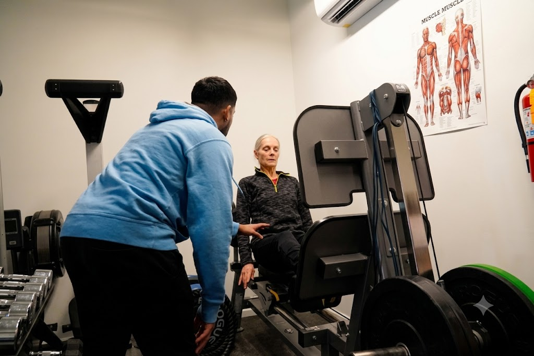
Sessions typically combine hands-on work, targeted strengthening, and movement retraining, adjusted as your symptoms and strength change over the course of treatment.
Common Causes of Back Pain
Low back pain isn't one condition, which is part of why generic advice falls short.
A few of the most common causes include:
● Muscle strains and acute flare-ups: Sudden pain from lifting, twisting, or overuse
● Disc pain and herniation: Often managed conservatively through progressive loading rather than surgery
● Sciatica and nerve pain: Irritation that radiates from the lower back into the hip or leg
● Chronic low back pain:: Pain that keeps recurring even after it seems to settle down
● Pain tied to lifting or training: Mechanical issues that show up specifically under load
● Post-surgical recovery: Rehab after procedures like microdiscectomy or other lumbar surgery
● Pain from prolonged sitting: Strength and movement deficits that build up from desk-heavy routines
Each of these needs a different approach, which is part of why a one-size-fits-all stretching routine rarely solves the problem on its own.
What to Expect at Your First Visit
Your first session usually starts with a conversation, not a treatment plan handed to you on the spot. Expect questions about when the pain started, what makes it better or worse, and how it's affecting your daily activities or training.
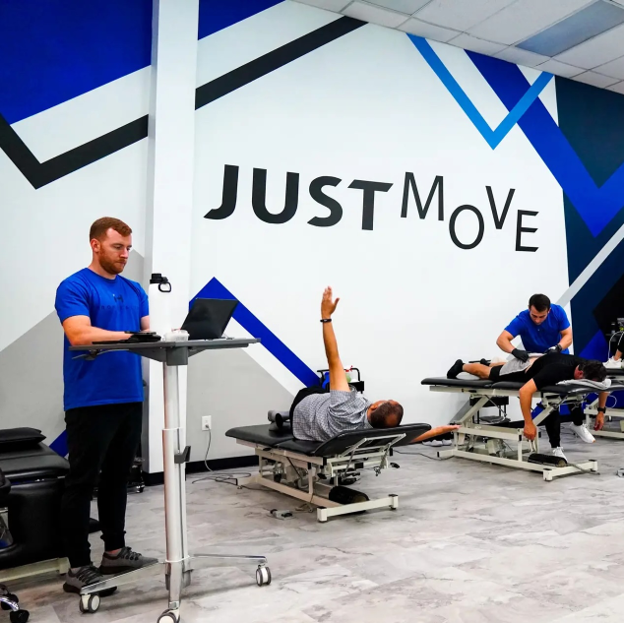
From there, a physical therapist will assess your movement, strength, and mechanics to identify what's actually driving your symptoms. This is the foundation that the rest of your plan gets built on, so it's worth being specific about your goals here, whether that's getting back to deadlifting, running, or simply sitting through a workday without pain.
How Soon Will You Feel Relief?
This varies quite a bit from person to person, depending on how long you've had the pain and what's causing it. Some people notice a difference within the first few sessions, especially with acute flare-ups. Chronic or recurring pain usually takes longer, since it involves rebuilding strength and movement patterns, not just calming symptoms down.
A physical therapist can give you a more realistic timeframe once they've evaluated your specific situation, rather than a generic promise upfront.
Frequently Asked Questions
Does physical therapy for back pain relief actually work, or is it just stretching?
It works, but it's more than stretching. A proper programme combines hands-on treatment, targeted strengthening, and movement retraining based on what's specifically driving your pain, not a generic routine.
Can physical therapy help if I've had back pain for years?
Yes. Chronic low back pain typically takes longer to resolve than a recent flare-up, since it usually involves longstanding strength and movement imbalances, but it responds well to a plan built around root causes rather than short-term symptom relief.
Will physical therapy help me avoid back surgery?
For many causes of back pain, including disc-related pain, conservative treatment through physical therapy is tried first, with surgery considered only if symptoms don't improve. Your therapist can help you understand where you fall on that path.
What if my pain is from sitting at a desk all day, not an injury?
This is one of the more common causes of low back pain, and it responds well to physical therapy. Treatment usually focuses on rebuilding strength and addressing the movement deficits that build up from long periods of sitting.
Get a Real Plan for Your Back Pain
Generic stretches and a few days of rest can only get you so far. If Iflow back pain is holding you back from the gym, the trail, or just getting through your day comfortably, Iron Health can help you find what's actually causing it and build a plan around it.
Book an appointment to get a real evaluation, not another printout of stretches you've already tried.