You finished your last physical therapy session, your pain is under control, and your therapist cleared you to move on.
Then comes the harder question: what do you actually do next?
This is exactly where post physical therapy personal training fills the gap, turning the progress you made in rehab into real, lasting strength instead of letting it fade once your sessions end.
The Gap Nobody Warns You About
Physical therapy gets you out of pain and makes you functional again. It doesn't always get you back to lifting heavy, running your usual mileage, or training the way you did before your injury.
Many people finish PT, feel good for a few weeks, and then either stop moving as much as they should or jump straight back into their old routine without easing in. Both paths tend to lead to the same place: a setback.
This is the exact reason post physical therapy personal training exists as its own step, not an afterthought. It picks up where rehab leaves off and builds the strength, confidence, and structure you need to keep progressing.
Why Jumping Back Into Old Workouts Doesn't Work
Following a random workout plan, or your old pre-injury routine, might feel like progress. In reality, it's often a fast way to end up back where you started.
- You're guessing instead of following a plan. Without a structure built around where your body is right now, you're spinning your wheels instead of building toward a goal.
- You need real feedback on your form. Form matters even more after an injury. Without a coach watching and adjusting, it's hard to know if you're moving safely or repeating the pattern that got you hurt.
- Your program doesn't know your history. A generic plan doesn't account for your injury history, your current limitations, or what you're actually working toward. Post physical therapy personal training does.
What Post-PT Personal Training Actually Looks Like
At Iron Health, this isn't a generic gym program handed to every client. It's built specifically around where you're starting from and where you want to go.
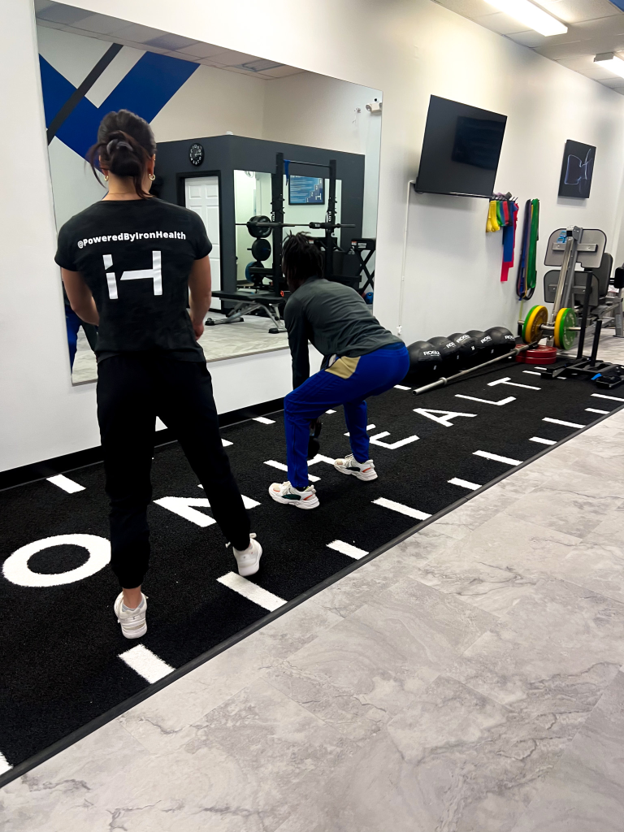
- Fully personalized programming. Every workout is built around your goals, your movement quality, and your training history, not a template pulled off a shelf.
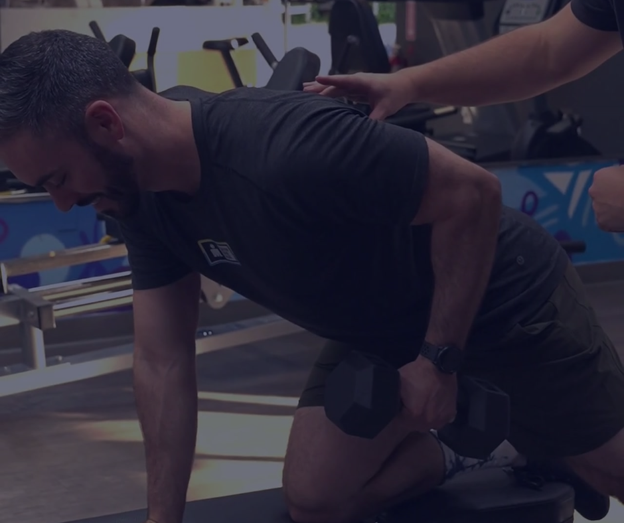
- Real-time coaching and adjustments. Your coach watches your form and adjusts on the spot, which matters most in the months right after an injury or surgery.
- Injury-aware programming. If you have a history of pain or a recent injury, your program works around it while building the resilience to prevent it from coming back.
- Progressive overload, tracked properly. Your coach tracks your lifts and adjusts load and volume week to week, so you keep progressing instead of guessing whether you're doing too much or too little.
- Accountability and consistency. A schedule built around your life, whether that's one to three sessions a week, keeps you showing up instead of falling off after a good first month.
- Performance testing. Regular assessments track your strength, power, and fitness over time, so progress is measured, not assumed.
Finding the Right Format After PT
Not everyone wants or needs the same setup after finishing physical therapy. Iron Health offers a few paths depending on your goals, age, and comfort level.
| Training Format | Best For | What to Expect |
|---|---|---|
| 1:1 Personal Training | Anyone easing back from injury or surgery who wants full coaching attention | Fully personalized programming, real-time form correction, 1 to 3 sessions per week |
| Small Group Training | Clients who want structure and coaching in a lower-cost group setting | Groups of 4 to 6, different workouts each day, varies by location (stations, HIIT, full body flow, yoga) |
| Ageless Strength (60+) | Adults 60 and older easing back into activity after PT | Low-impact, beginner-friendly, resistance bands and light weights, groups of 6 to 8 |
If you're not sure which format fits where you are post-PT, that's a normal question to bring to your first session rather than something you need to figure out alone.
How the Transition Works
Moving from physical therapy into post physical therapy personal training at Iron Health follows a clear process, not a guessing game.
- Schedule your first session. Your coach reviews your PT history, current limitations, and training goals.
- Get your personalized plan. Your program is built around your body, your injury history, and what you actually want to achieve.
- Train, track, and adjust. You work with your coach consistently, your plan adjusts as you get stronger, and your progress gets tracked along the way.
Frequently Asked Questions
How soon after finishing physical therapy can I start personal training?
Most clients transition shortly after their physical therapist clears them, though the exact timing depends on your specific injury and recovery. A coach who understands your PT history can help you ease in safely rather than restarting too fast.
Is post physical therapy personal training different from a regular gym program?
Yes. It's built specifically around your injury history and current limitations, with a coach adjusting your form and load in real time, rather than a generic template you'd get off a gym floor.
What if I'm afraid of re-injuring myself?
That's one of the main reasons post physical therapy personal training exists. Injury-aware programming and real-time coaching are built to rebuild strength without repeating old patterns that led to injury.
Do I need to be an athlete to benefit from this kind of training?
No. Programs range from small group and Ageless Strength classes for adults 60 and older to 1:1 coaching for competitive lifters and everyone in between.
How many sessions per week do I need after finishing PT?
It depends on your goals and schedule. Many clients start with one to three sessions per week and adjust as they progress.
Can personal training help if I still have some lingering discomfort?
Yes. Injury-aware programming accounts for lingering discomfort and builds around it, rather than ignoring it or pushing through pain.
Turning Rehab Progress Into Real Strength
Finishing physical therapy is progress, not the finish line. Post physical therapy personal training is what turns the ground you gained in rehab into strength that actually holds up, whether your goal is getting back to lifting, running, or simply moving through your day with confidence.
If you've finished PT and aren't sure what comes next, that's exactly the conversation to have before jumping back into your old routine.