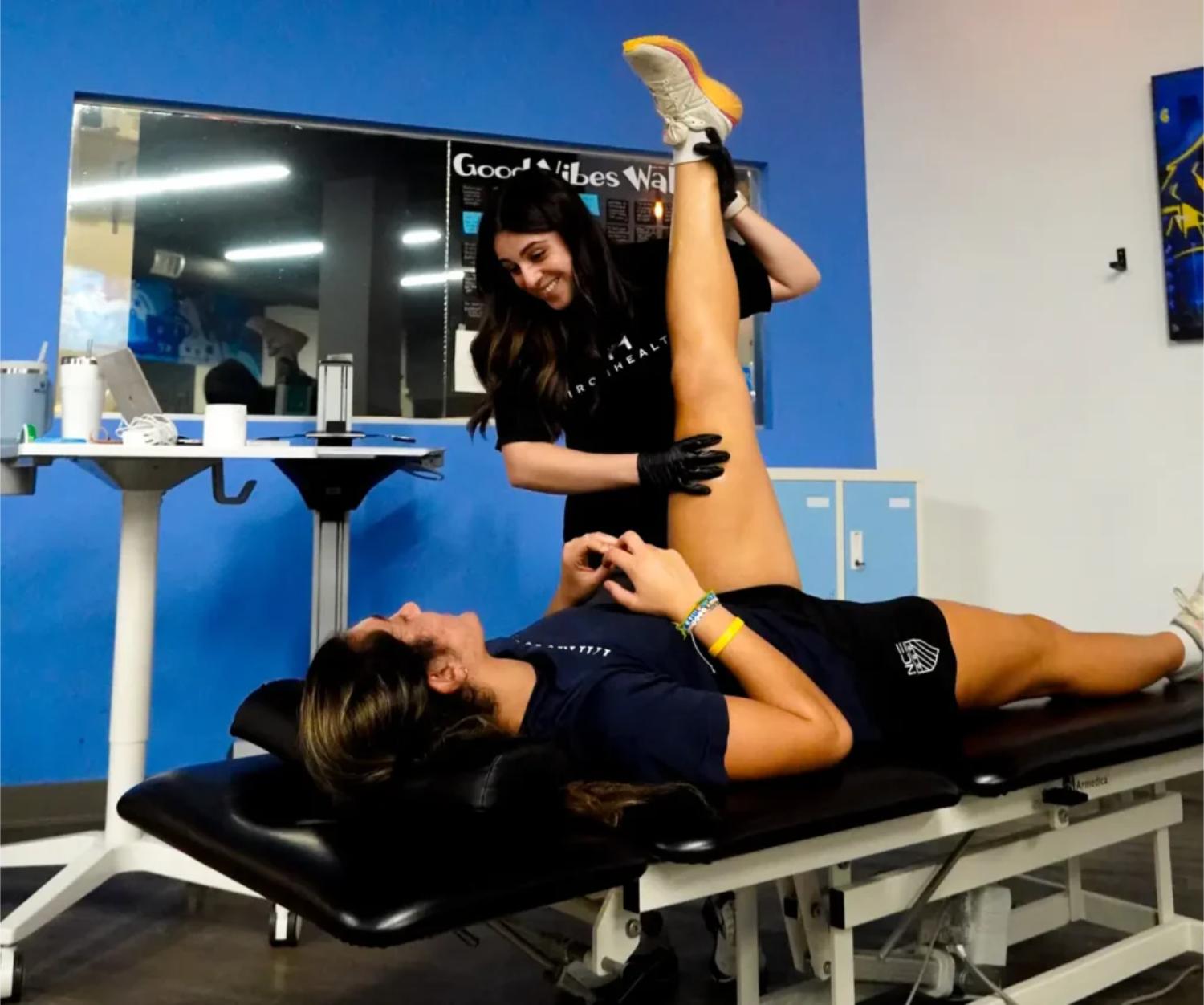
Dry Needling
Release Muscle Tension and Get Back to Training
Persistent muscle tightness and trigger points can limit how you move and how well you recover between training sessions. At Iron Health, we use dry needling as part of a comprehensive plan to address deep muscle tension, improve tissue quality, and support lasting recovery for active adults.
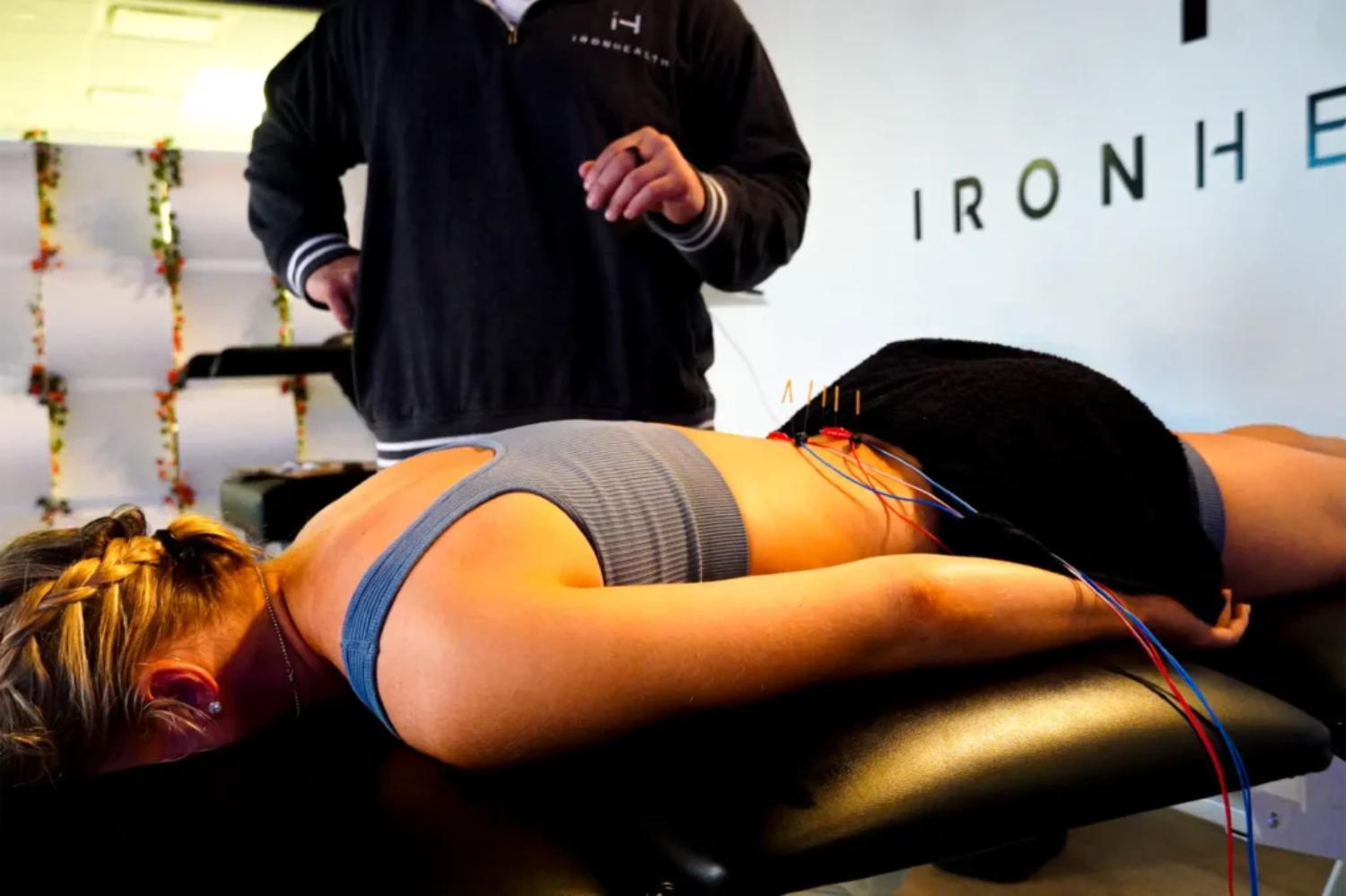
Persistent Trigger Points Don't Release on Their Own
Foam rolling and stretching only go so far
Surface-level recovery work takes the edge off tightness, but deeply embedded trigger points often don't respond to self-treatment alone. Without targeting them directly, the same tension keeps limiting how you move and train.
The same muscles keep seizing up every training block
If the same areas keep locking up cycle after cycle, that's a sign the underlying issue hasn't been fully addressed. Repetitive tension without targeted treatment leads to compensations and cumulative restriction over time.
You're managing around it instead of resolving it
Adjusting your training to avoid movements that trigger tightness or pain is a short-term workaround. Those compensations affect how you move in ways that become harder to unwind the longer they persist.
Dry Needling Integrated Into a Complete Treatment Plan
Dry needling at Iron Health isn't a standalone treatment. It's part of a targeted plan that includes manual therapy and strength work to address what's causing your symptoms and build the resilience to stay active and training.
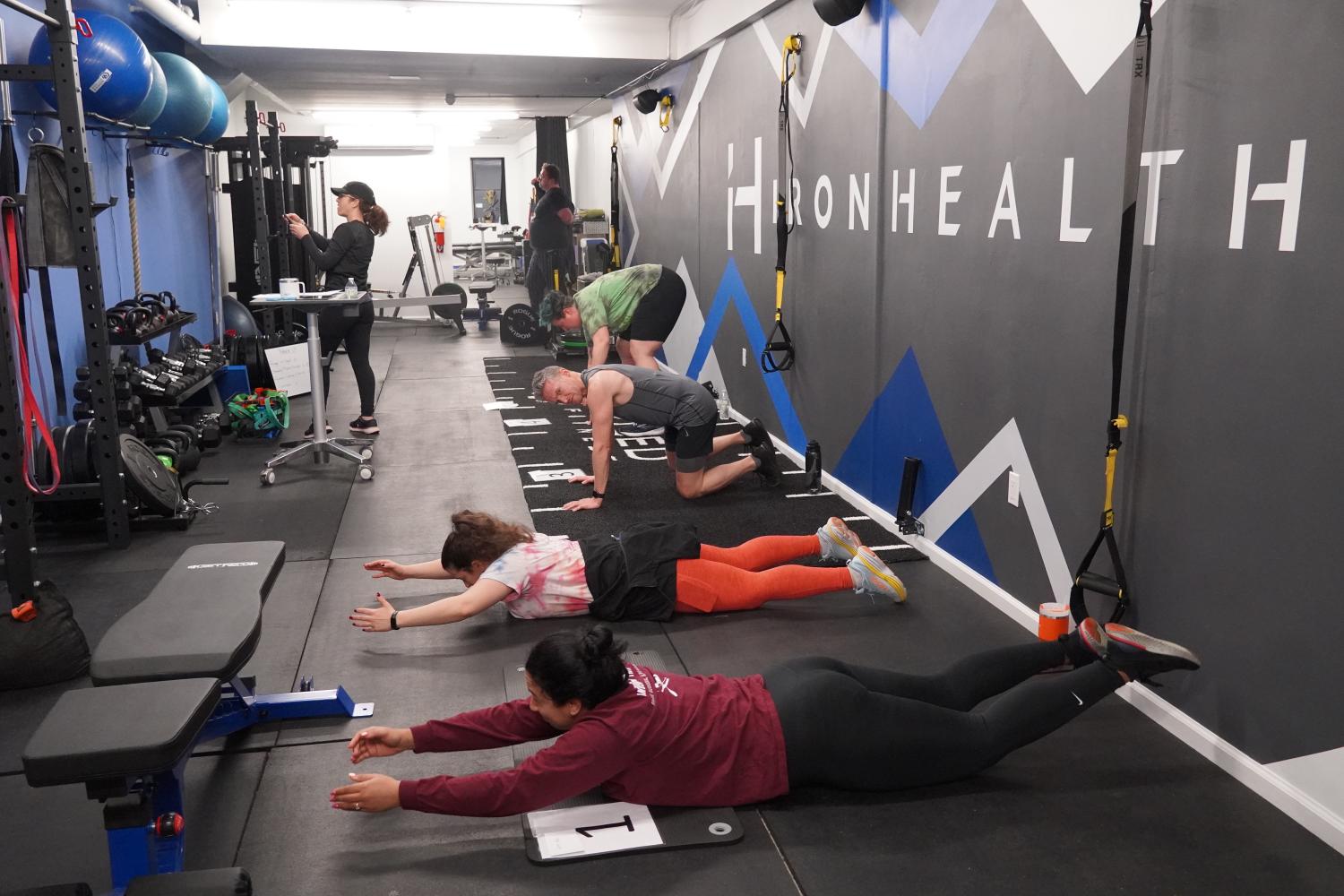
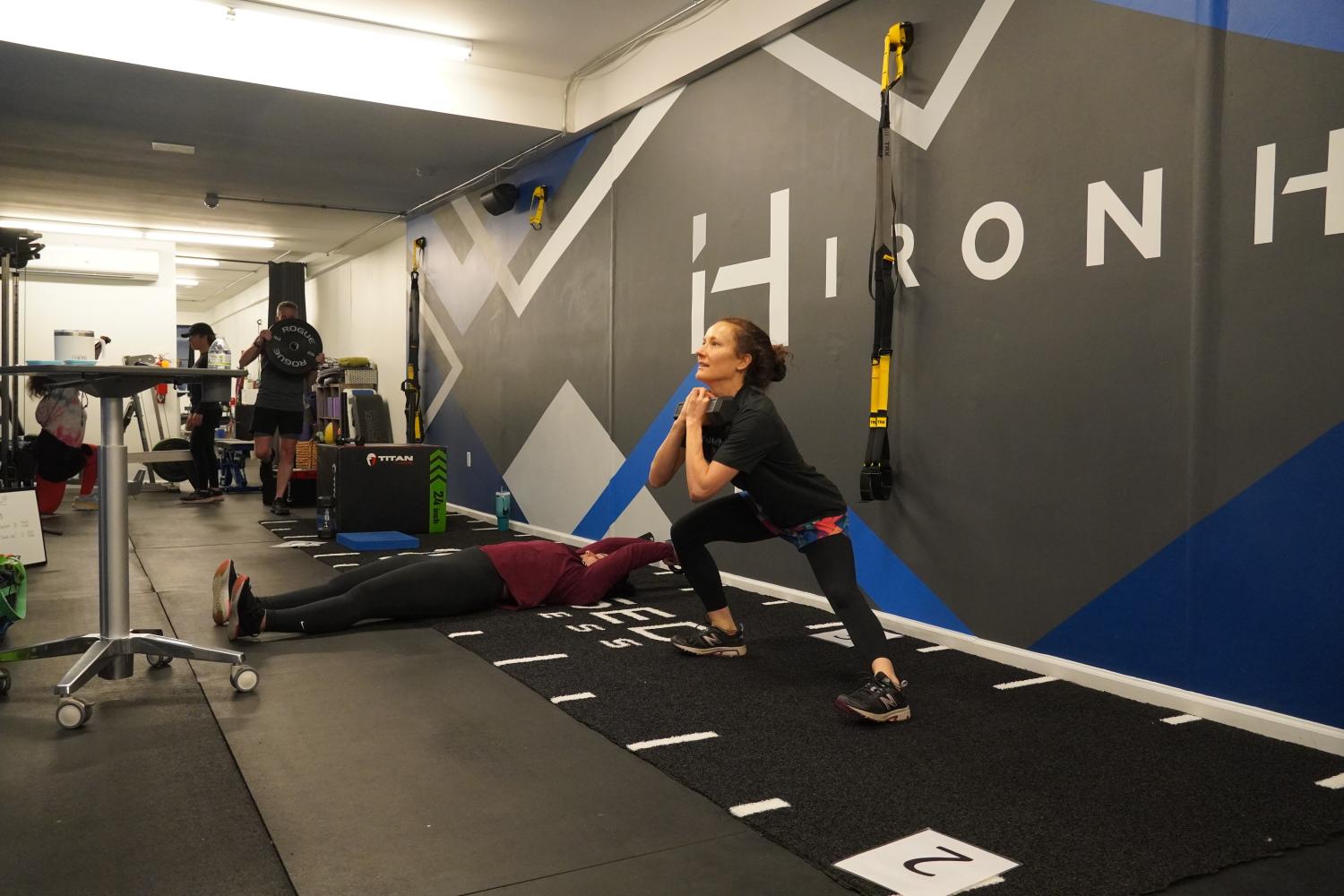
Muscle and Tissue Conditions We Address with Dry Needling
From persistent trigger points to muscle tension driving pain and movement restriction, we use dry needling alongside manual therapy to help active adults move and train without limitation.
Trigger Points and Muscle Knots - Targeted dry needling to release deep muscle tension contributing to pain and limited movement.
Neck Pain and Tightness - Releasing cervical and upper trapezius trigger points that contribute to neck stiffness and discomfort.
Low Back Pain - Addressing paraspinal and glute trigger points contributing to lower back pain and restricted movement.
Shoulder Pain and Rotator Cuff Tension - Dry needling for the rotator cuff and periscapular muscles contributing to shoulder pain and limited range of motion.
Hip and Glute Tightness - Releasing deep hip and glute trigger points that limit hip mobility and contribute to lower extremity pain.
Calf and Lower Leg Tightness - Addressing calf and tibialis trigger points that contribute to shin splints, Achilles issues, and ankle pain.
Performance-Related Muscle Tension - Managing training-related tightness for active adults who need to stay on top of recovery across training blocks.
From evaluation to results in three clear steps

Schedule your evaluation
Call to set up your first visit. We'll assess your movement, pain, and training goals.

Get your personalized plan
Receive a customized plan built specifically for your body and objectives.

Progress and stay strong
Work with your provider regularly, adjust as you improve, and transition to long-term performance training if it fits your goals.
Real Results from Dry Needling at Iron Health
Active adults across Westchester County and Stamford have used dry needling at Iron Health to address chronic tightness, reduce pain, and improve how they move and train.


Frequently Asked Questions
Dry needling raises a lot of questions, especially for first-timers. Here's what active adults ask most about dry needling at Iron Health.
You may feel a brief twitch or aching sensation when the needle contacts a trigger point, which is a normal response. Most people find it tolerable and notice improved range of motion and reduced tightness after each session. We'll explain what to expect throughout and adjust based on your feedback.
Dry needling is a physical therapy technique based on musculoskeletal anatomy. It targets specific trigger points and muscle tissue to address pain and movement restriction. Acupuncture is rooted in traditional Chinese medicine and follows a different theoretical framework. Both use thin needles, but the approach and clinical goals differ significantly.
It depends on what's driving your symptoms and how your tissue responds. Many people notice improvement within the first few sessions. After your evaluation, we'll give you a realistic picture of what to expect and how dry needling fits into your overall plan.
We're primarily cash-based and out-of-network for commercial plans, though we do accept Medicare. We provide superbills for possible reimbursement, and HSA/FSA cards are accepted.
It depends on the area treated and how your body responds. Some people train the same day without issue; others prefer to take it lighter if the treated area is tender afterward. We'll give you guidance after your session based on what was addressed.
Still have questions?
Have questions about dry needling or want to know if it's right for you? Reach out and we'll help you figure out the right next step.
Ready to Move Better and Train Without Tightness Holding You Back?
Book your appointment and take the first step toward addressing the tension and trigger points that are limiting your movement and recovery.